The view and the workload are different things
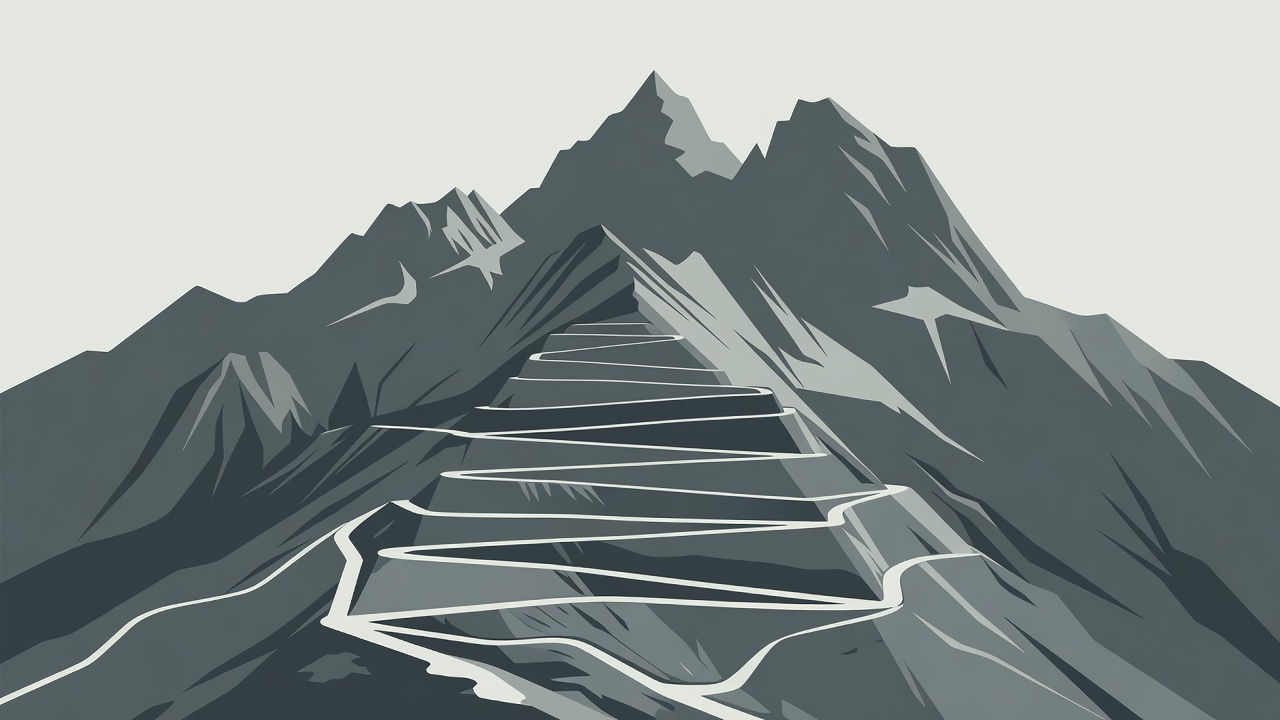
Mountain roads can deliver exceptional scenery while demanding sustained attention. Tight turns, steep gradients, narrow edges and changing visibility may arrive together. A passenger's favourite photograph does not tell you whether a route will feel comfortable from the driver's seat. Before choosing a pass, look at the type of road, the vehicle rules and the places where you can stop legally. Be willing to choose a valley journey when the high route does not fit.
Driving experience matters, but unfamiliarity also matters. A capable driver in an unfamiliar rental car may need time to understand its dimensions, braking behaviour and transmission before tackling repeated hairpins. Read the vehicle handbook, including guidance on descending gradients and using suitable gears or drive modes. Do not coast downhill or let sightseeing distract you from controlling the vehicle. If a route feels beyond your comfort, turn back only where it is safe and lawful to do so.
Two Alpine experiences, not interchangeable drives
Italy's Stelvio Pass is widely recognised for its closely stacked hairpins and high-mountain setting. Those features are precisely why it should not be treated as an effortless scenic shortcut. Cyclists, motorcycles and other vehicles share the road, and turning space can feel limited. Seasonal opening is dependent on conditions and road management, not on the date your holiday starts. Check the responsible road authorities for your intended approach and confirm that your vehicle and rental agreement permit the journey.
Austria's Grossglockner High Alpine Road offers a different planning model: a managed scenic road with visitor facilities and published access information. It is a toll road, and operating arrangements can change with weather and season. Use the official Grossglockner website for current opening information, vehicle guidance and charges rather than assuming a previous visitor's experience still applies. Even with organised facilities, the road remains a mountain drive; low cloud can remove the panorama while rain or cold changes the experience.
Snow clearance is not a calendar promise
Going-to-the-Sun Road in Montana's Glacier National Park is a useful reminder that road access, visitor entry arrangements and vehicle suitability are separate checks. The full high-elevation crossing is seasonal. Snow clearance, weather, maintenance and other operational needs affect availability. Vehicle size restrictions apply to parts of the road, and park entry or vehicle reservation arrangements may differ by season and approach. Consult the National Park Service road guide and current park notices before fixing a through-route.
In Norway, roads such as Trollstigen are associated with striking engineering and mountain views, but their availability can be affected by winter closure, rockfall risk, maintenance and local restrictions. A destination being famous does not establish that it is open. Use Statens vegvesen traffic information and destination-specific official notices. Plan an alternative that avoids the closed section entirely; a nearby line on a map may be another seasonal road rather than a dependable detour.
Read seasonality as a planning pattern
The table below describes broad considerations, not opening dates or a current forecast. Mountain conditions vary by altitude, aspect and region. A warm valley afternoon can coexist with cold wind and poor visibility near a summit. Check the route's own notices close to departure and remain prepared for changes during your stay.
| Period | Possible constraint | Planning response |
|---|---|---|
| Spring | Snow clearance, ice and delayed openings | Keep a lower-altitude alternative |
| Summer | Traffic, storms, temporary works | Allow waiting time and check forecasts |
| Autumn | Shorter daylight and early snowfall | Shorten the day and recheck access |
| Winter | Seasonal closure or winter-equipment rules | Use only confirmed suitable open routes |
Make the descent part of the plan
Do not spend your entire time allowance reaching the summit. You still need to descend, find food or charging and arrive with enough concentration to manage unfamiliar junctions. Schedule a proper break at an authorised stopping area before you feel exhausted. If you want to walk, check the trail separately and carry clothing appropriate to the elevation; driving access does not establish that a path is suitable or open.
Agree on a decision point before departure. Poor visibility, driver discomfort, a warning notice or a change in weather should be enough to switch plans without debate. A good mountain itinerary is one that can lose its pass and still work. A valley walk, a lower viewpoint or an earlier arrival can preserve the day without turning a scenic ambition into a driving obligation.